
Garage Door R-Value Explained: How Much Insulation You Need
R-value tells you how well a garage door’s panels resist heat flow. Here’s what the numbers mean and how much insulation your garage actually needs.

R-value tells you how well a garage door’s panels resist heat flow. Here’s what the numbers mean and how much insulation your garage actually needs.
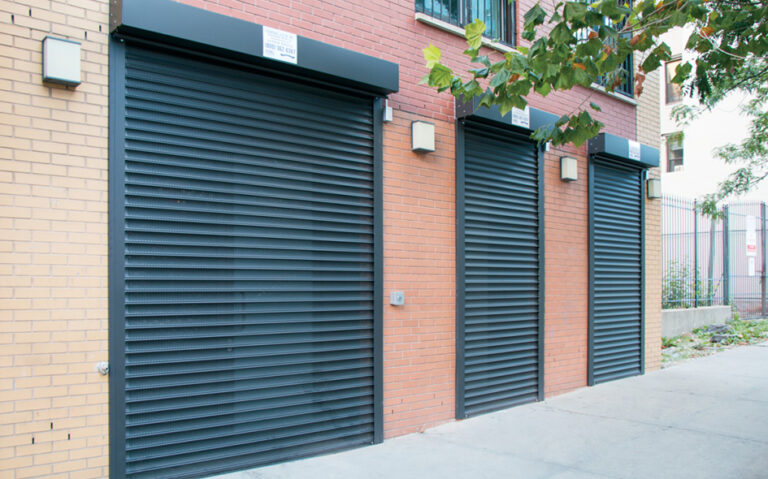
NYC no longer requires storefront security gates to be 70% see-through. Here’s what changed with Local Law 123 of 2026 and what still applies when you replace a gate.

A loud bang from the garage and a door that won’t open usually means a broken spring. Here’s how to stay safe and what happens next.

Insulated sectional doors win on energy efficiency and visibility; rolling steel doors win on headroom, security and durability. Here’s how to choose for your dock.

Steel, wood, fiberglass, aluminum or vinyl? How each garage door material holds up to New York winters, summer humidity and salt air.

Parking garages and public buildings need grilles that keep traffic moving, let air through and stand up to constant use. Here’s how to choose.
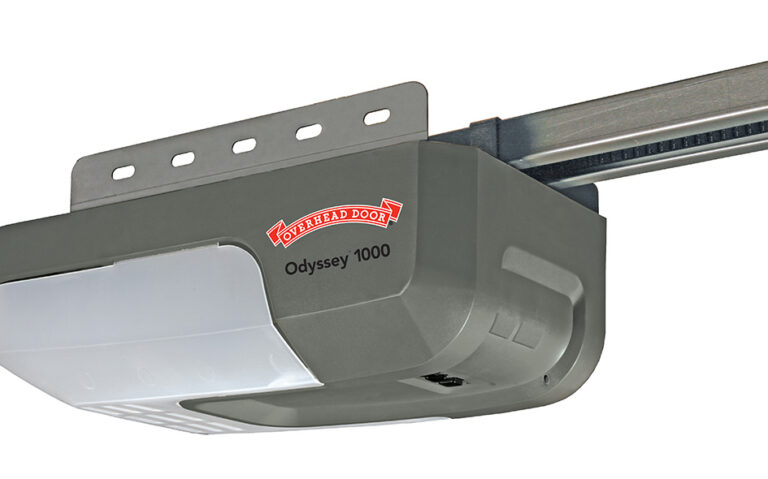
If your garage is under a bedroom or next to living space, the opener’s drive type makes a real difference. Here’s how belt, chain, direct-drive and wall-mount openers compare.
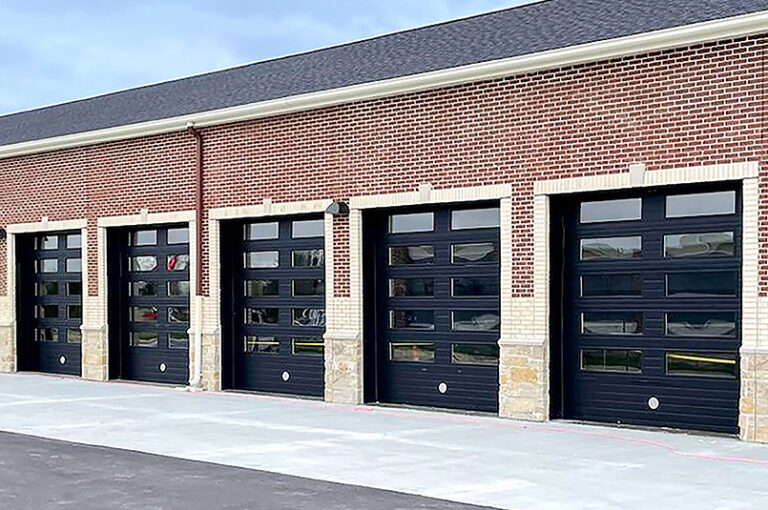
A busy commercial door can wear through standard springs in months. Here’s how to count your cycles and decide whether high-cycle springs pay off.

Many Long Island homes, especially on the East End and near the water, need a garage door rated for high winds. Here’s how to tell if yours does.
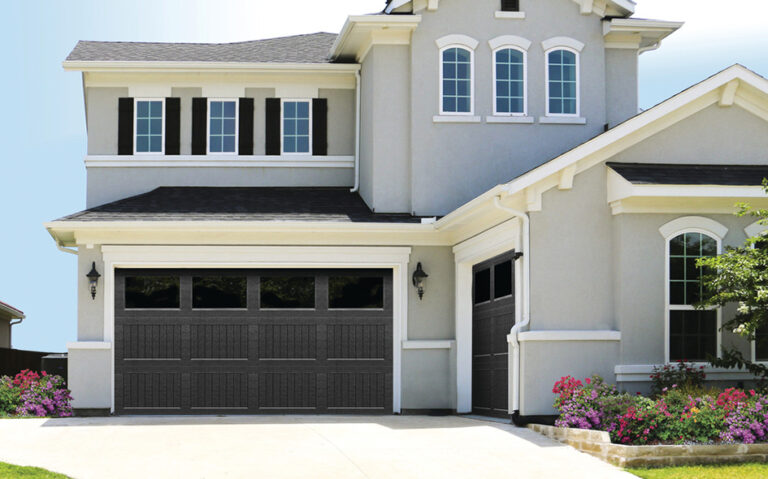
Springs, cables and rollers are routine repairs. Damaged panels, rot, rust and repeat breakdowns usually mean it’s time for a new door. Here’s how to tell.

Carriage house doors look like old swing-out barn doors but open like a modern garage door. Here’s how to choose the material, design and details.