Short answer: before winter, check the bottom seal and weatherstripping, lubricate the moving metal parts, test the door’s balance and the opener’s safety reverse, and replace the batteries in your remotes and keypad. Leave springs, cables and anything under tension to a technician.
Why winter is hard on garage doors
Cold makes metal parts contract and grease thicken, so a door that ran smoothly in October can start to strain, stick or reverse in January. Snow and ice build up along the bottom of the door, and a worn seal lets in cold air, water and road salt. Springs also work harder in the cold, and a spring that was already near the end of its life often gives out on a freezing morning.
Your pre-winter checklist
1. Look at the bottom seal and weatherstripping
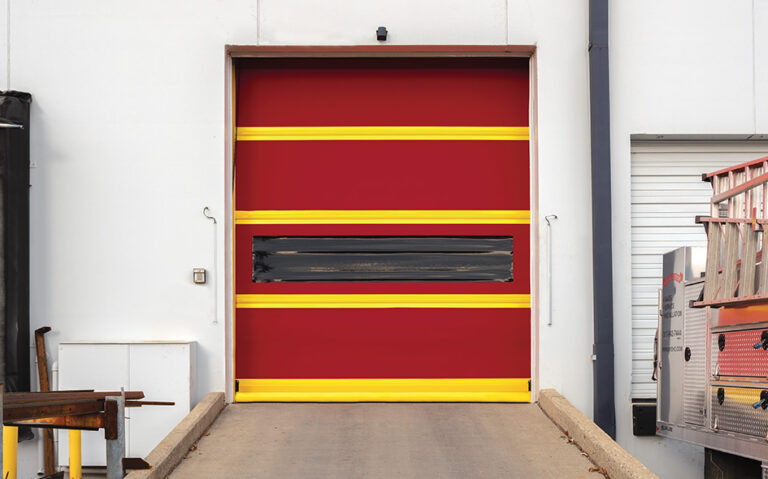
Close the door and look for daylight along the bottom and sides. A cracked, flattened or torn bottom seal lets in drafts, water and leaves, and it can freeze to the ground. Replacing a worn seal is inexpensive and makes a noticeable difference, especially for an attached garage.
2. Lubricate the moving parts
Use a garage-door lubricant or a light silicone or lithium spray on the hinges, roller bearings and springs. Don’t grease the tracks: grease collects dirt and gets stiff in the cold. Wipe the tracks clean instead.
3. Watch and listen to the door
Run the door a few times. Grinding, scraping, jerking or a loud bang are signs that rollers, hinges or springs need attention. Look for frayed cables and gaps in the springs, but don’t touch them.
4. Test the balance
Pull the opener’s release cord with the door closed, then lift the door by hand to about waist height and let go. A balanced door stays roughly where you leave it. If it drops or shoots up, the springs need adjusting. That’s a job for a technician, because springs hold a lot of tension.
5. Test the safety reverse
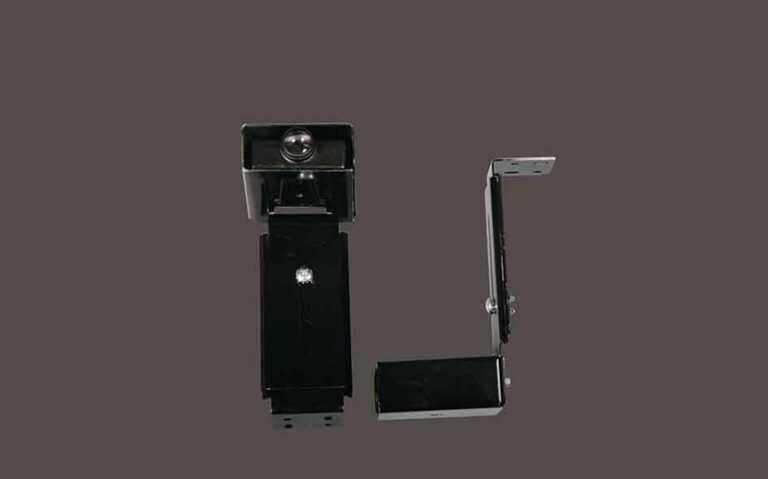
Lay a roll of paper towels or a piece of wood flat under the door and close it. The door should reverse when it touches the object. Then wave something through the safety beams as the door closes; it should reverse again. Wipe the sensor lenses clean, because frost, dirt and cobwebs can block them.
6. Replace remote and keypad batteries
Batteries lose power in the cold. Fresh batteries in your remotes and wireless keypad now saves you standing in the snow pressing a dead button.
7. Plan for power outages
Winter storms knock out power. If the garage is your main way in, a battery backup keeps the opener working during an outage. Make sure everyone at home also knows how to use the manual release safely.
What to leave to a technician
- Springs, cables and bottom brackets, which are under high tension.
- A door that’s off its track, bent, or won’t stay balanced.
- An opener that strains, stops partway or keeps reversing after you’ve cleaned the sensors.
A professional tune-up before winter covers all of this, and it’s the best time to catch a worn spring before it breaks. See our garage door repair service.
Thinking about a new door?
If the door is drafty, dented or getting hard to keep running, winter is when an insulated door pays off. An insulated door like Thermacore® keeps an attached garage warmer and quieter.
Frequently asked questions
What should I do if my garage door is frozen to the ground?
Don’t keep pressing the opener, because it can strain the motor or damage the seal. Clear the snow and ice along the bottom, then gently loosen the seal with warm air from a hair dryer or a heat gun on a low setting. Avoid hot water, which refreezes.
How often should a garage door be serviced?
Once a year is a good rule for most homes, and before winter is the ideal time. Doors that are used many times a day may need it more often.
Can I lubricate my garage door myself?
Yes. Lubricating hinges, rollers and springs with a garage-door lubricant is a safe homeowner task. Just don’t adjust springs or cables yourself.
Want a pro to check your door before the cold hits? Book a visit or call us at 631-701-6922.